Technical Search
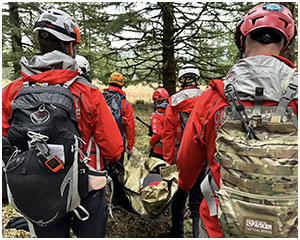
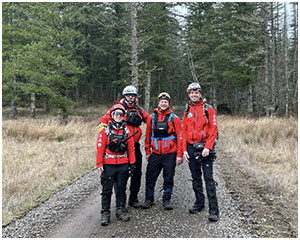
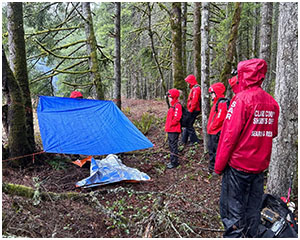
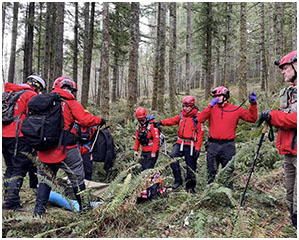
 In Clark County, Washington, technical rescues conducted by Search and Rescue (SAR) teams play a crucial role in ensuring the safety of residents and visitors who encounter emergencies in challenging environments. These rescues often involve situations where individuals are trapped or injured in difficult-to-reach locations such as rugged terrain, dense forests, or steep cliffs. The Clark County Sheriff’s Office oversees the SAR operations, coordinating with volunteer teams that specialize in various technical rescue techniques. These volunteers are trained in high-angle rope rescue, swift water rescue, and wilderness first aid, ensuring they can effectively respond to diverse emergency scenarios.
Technical rescues require specialized equipment and skills to safely extricate individuals from hazardous situations. For instance, high-angle rescues involve the use of ropes, harnesses, and pulleys to safely reach and transport individuals from vertical or near-vertical environments. This type of rescue is often necessary in the Columbia River Gorge and other areas with significant elevation changes. Swift water rescues, on the other hand, involve navigating and securing individuals in fast-moving water, which is particularly critical during the rainy season when rivers and streams can become dangerously swollen. SAR teams in Clark County regularly train to maintain proficiency in these techniques, ensuring they are prepared for any situation.
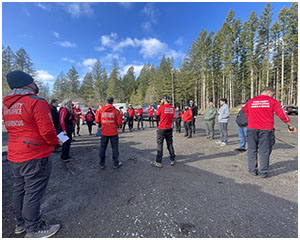
The collaboration between local law enforcement, fire departments, and volunteer SAR teams is essential for the success of technical rescue operations in Clark County. Regular joint training exercises and simulations help maintain a high level of preparedness and coordination among all involved agencies. Community outreach and education programs also play a vital role in preventing emergencies, as they inform the public about safety practices while exploring the county’s natural areas. Overall, the dedication and expertise of Clark County’s Search and Rescue teams ensure that technical rescues are conducted efficiently and safely, minimizing risks to both the rescuers and those in need of assistance.
 The success of land and ground SAR operations depends not only on the skills and equipment of the teams but also on their ability to work seamlessly with other agencies and community resources. Collaboration with local law enforcement, fire departments, and emergency medical services ensures a comprehensive response to incidents. Public awareness and preparedness also play a vital role, as timely reporting and accurate information from the community can significantly impact the efficiency and outcome of SAR missions. Through their dedication and expertise, SAR teams provide a vital service, offering hope and lifesaving assistance to those in need.