Land / Ground Operations
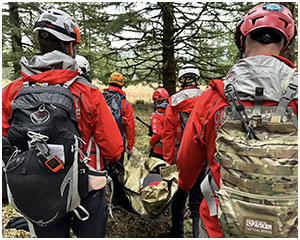
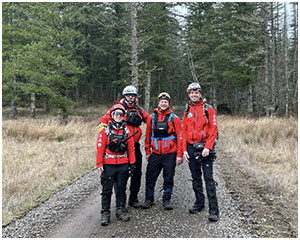
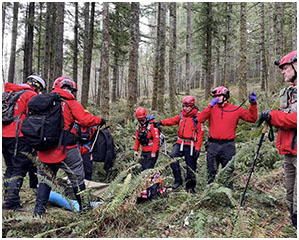
 Search and Rescue (SAR) teams engaged in land and ground operations play a critical role in locating and assisting individuals who are lost, injured, or otherwise in distress in terrestrial environments. These operations typically involve thorough planning, coordination, and execution by trained professionals and volunteers who specialize in various rescue techniques. SAR teams are often deployed in response to emergencies in diverse landscapes, including forests, mountains, deserts, and urban areas. They rely on a combination of physical endurance, technical skills, and advanced technology to effectively navigate and search vast and often challenging terrains.
During land and ground operations, SAR teams utilize a variety of tools and equipment to aid in their search efforts. GPS devices, radios, and mapping software are essential for tracking and communication, ensuring that team members can coordinate their activities and cover extensive areas methodically. Additionally, teams often employ search dogs, drones, and thermal imaging cameras to locate missing persons more efficiently. The use of these technologies enhances the ability to detect individuals who may be hidden or difficult to spot from the ground.
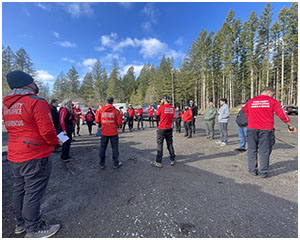
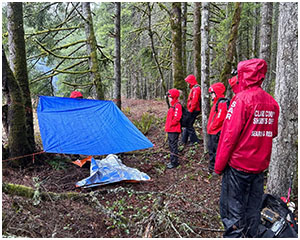
Ground search operations require meticulous planning and organization. SAR teams establish command posts to manage the operation, where they coordinate search patterns, assign tasks, and monitor progress. These command posts serve as the hub for communication between field teams and other emergency services. Team members are trained in navigation, first aid, and survival skills, enabling them to provide immediate medical assistance and support to those they rescue. Their training also includes specialized techniques for different types of rescues, such as high-angle rescues on steep terrain and swift water rescues in flood conditions.
 The success of land and ground SAR operations depends not only on the skills and equipment of the teams but also on their ability to work seamlessly with other agencies and community resources. Collaboration with local law enforcement, fire departments, and emergency medical services ensures a comprehensive response to incidents. Public awareness and preparedness also play a vital role, as timely reporting and accurate information from the community can significantly impact the efficiency and outcome of SAR missions. Through their dedication and expertise, SAR teams provide a vital service, offering hope and lifesaving assistance to those in need.