K-9
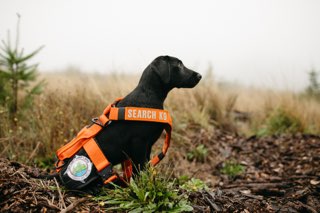
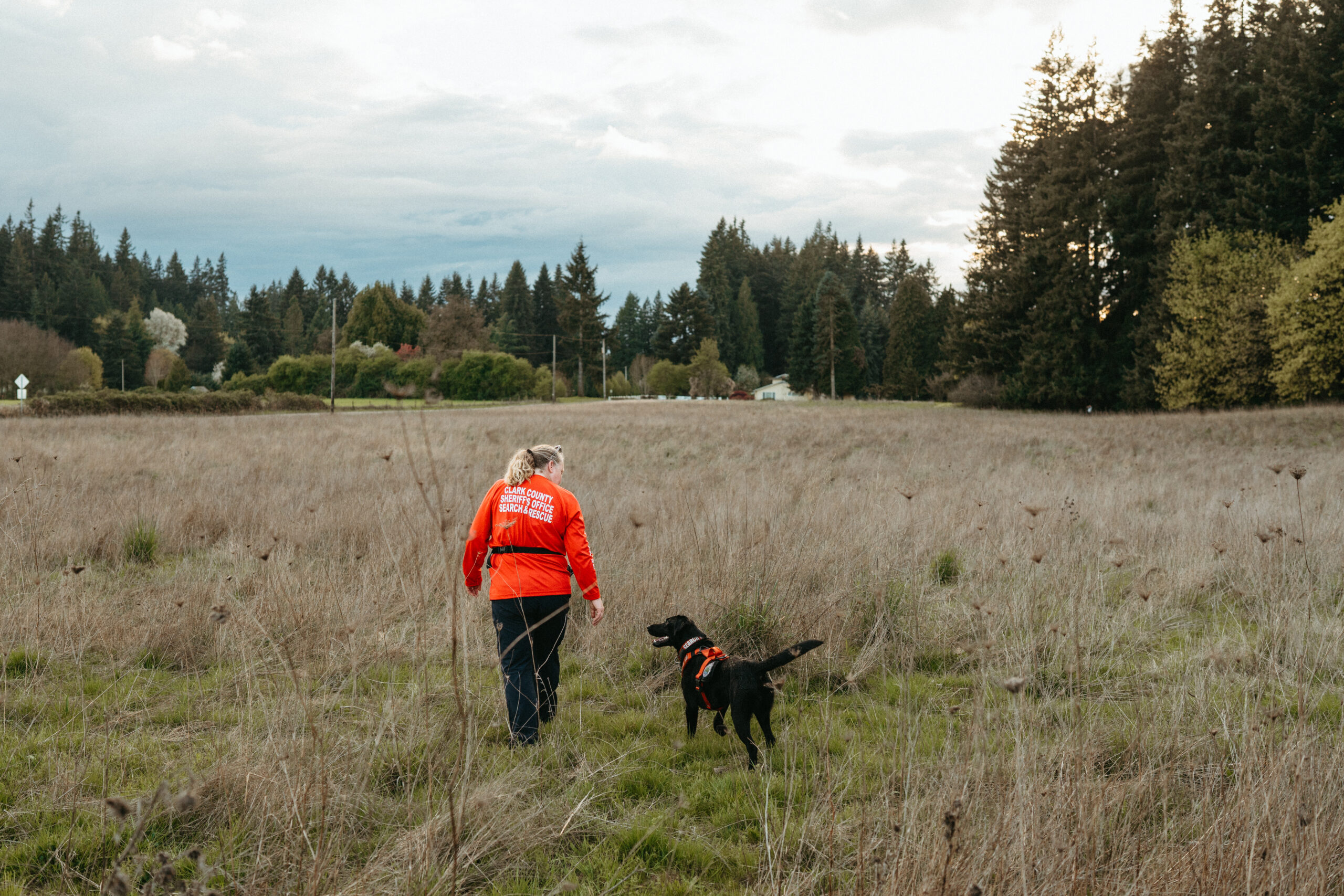
Our Search K9s are specially trained to use their sense of smell to sniff out missing people or confirm that someone’s not in a search area. K9 teams work closely with our Ground and other specialized search crews, often being among the first to arrive on a search.
Here’s what these dogs do:
Our SAR dogs are commonly tasked with locating missing/overdue hikers, game hunters, and mushroom/berry foragers in the wilderness.
In urban areas they search for missing children, or people with cognitive disorders or serious medical conditions.
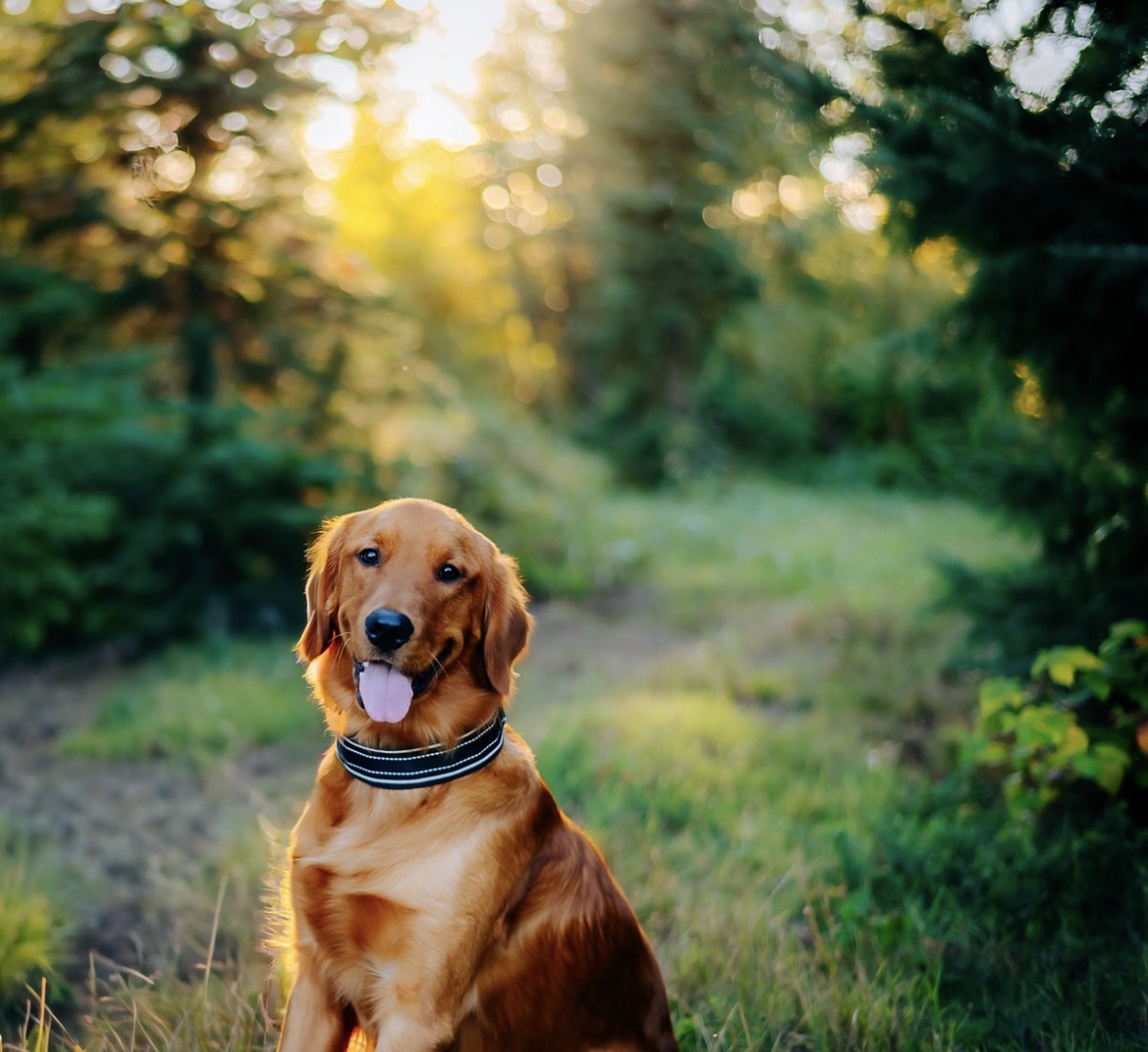
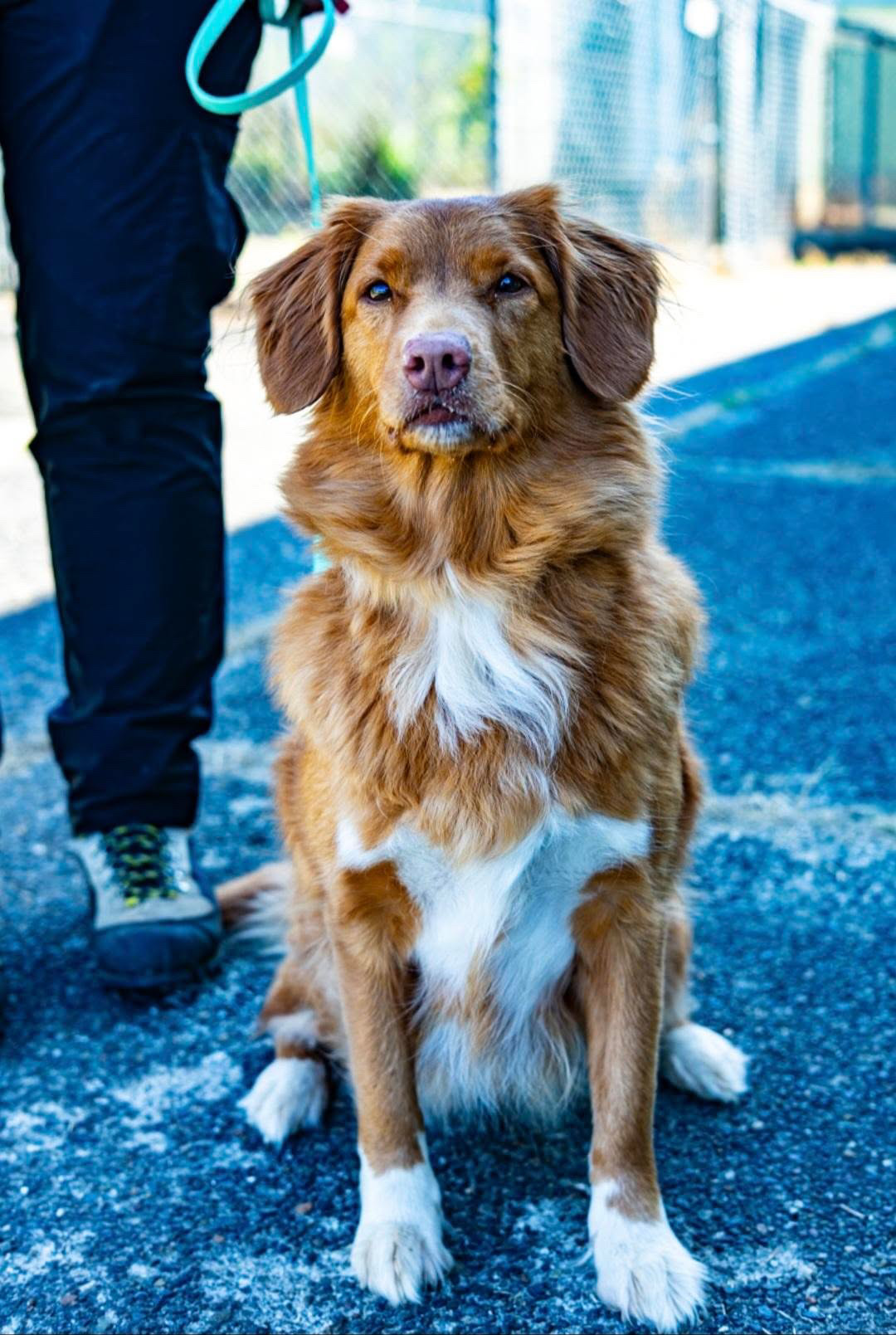
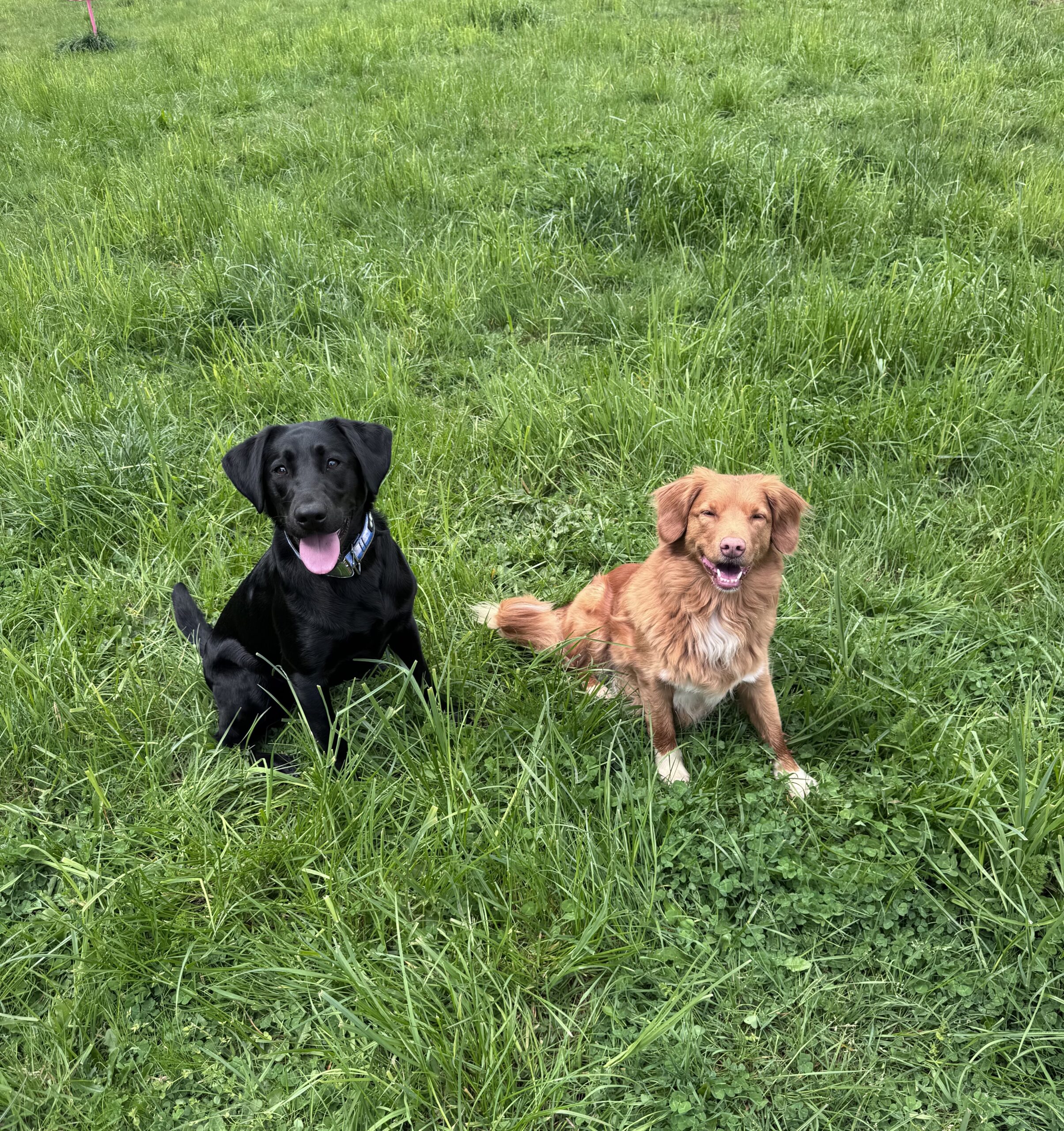
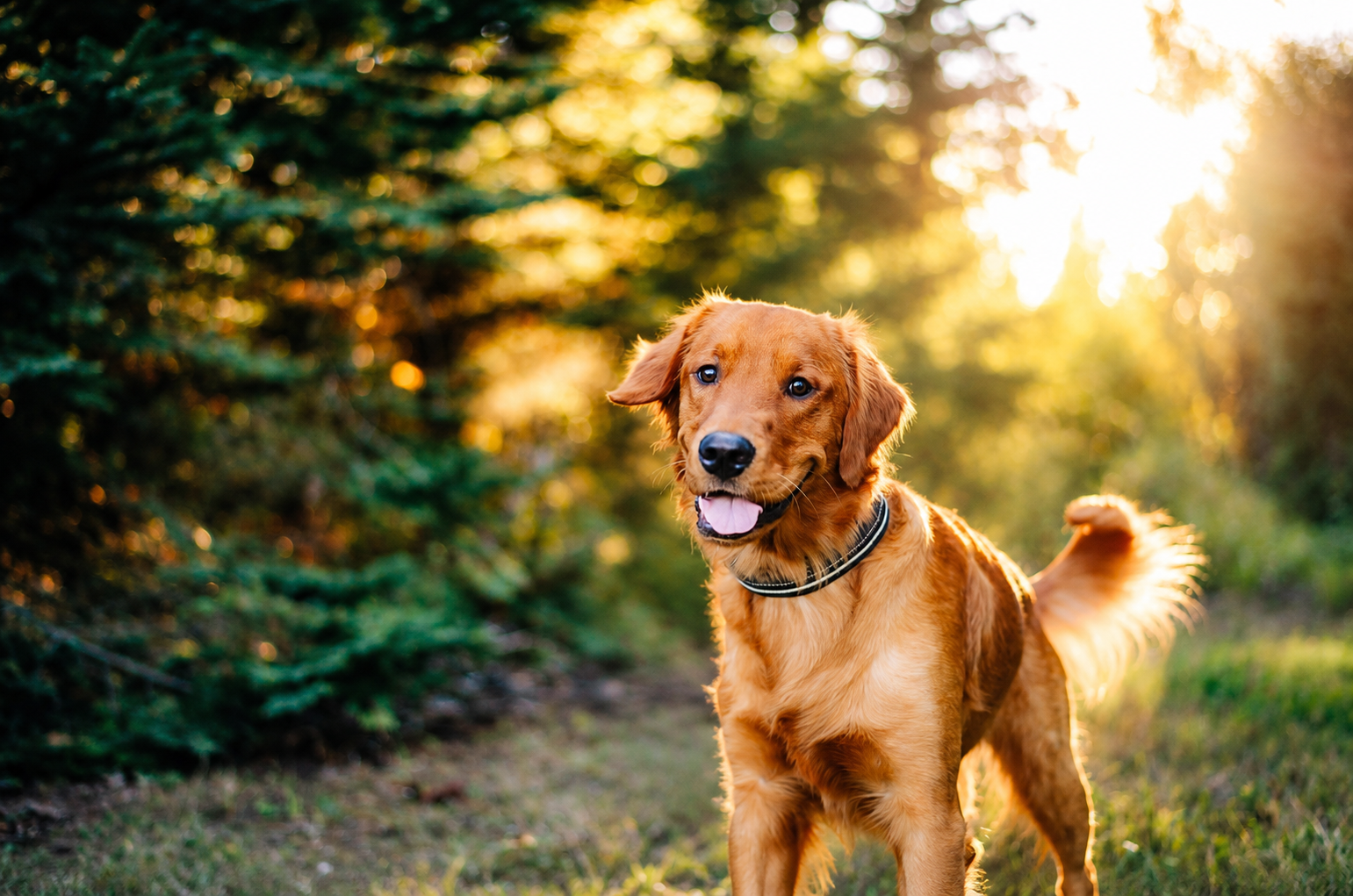
Most SAR Canines come from hunting, herding, or sporting breeds – breeds that mostly use their noses to search and hunt instead of their eyes. Some breeds that are commonly used in successful search deployments include Labrador Retrievers, Golden Retrievers, German Shepherds, Belgian Shepherds, Bloodhounds, Border Collies, Australian Shepherds, and some mixed breeds. No matter what breed you choose, a Search and Rescue canine candidate should be athletic, durable, friendly, and have a confident, outgoing investigative attitude.
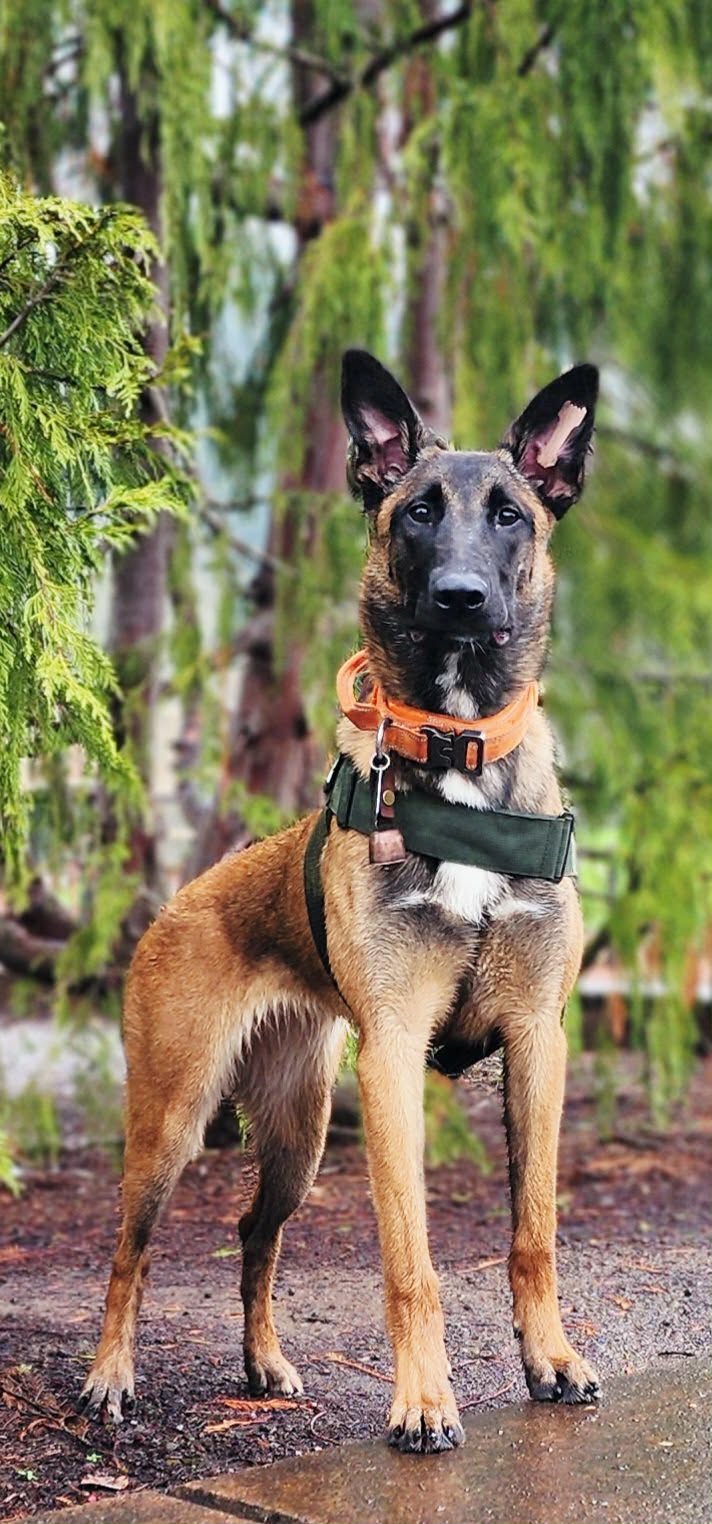
CCSO SAR deploys K9s with the following specialized training:
Air Scent:
These dogs can detect human scent in the air, covering a wide area. They typically work off leash in wilderness areas, and sometimes in our Urban Interface areas. They are looking for any live person in their search area.
Trailing:
These dogs work on a long lead, and follow a specific scent trail left by a missing person. This requires a last known location and a scent article from the missing person. Trailing dogs may work in Urban areas, or along forest trailheads. These dogs can determine a direction of travel which helps direct the focus of the search as a whole.
Human Remains Detection:
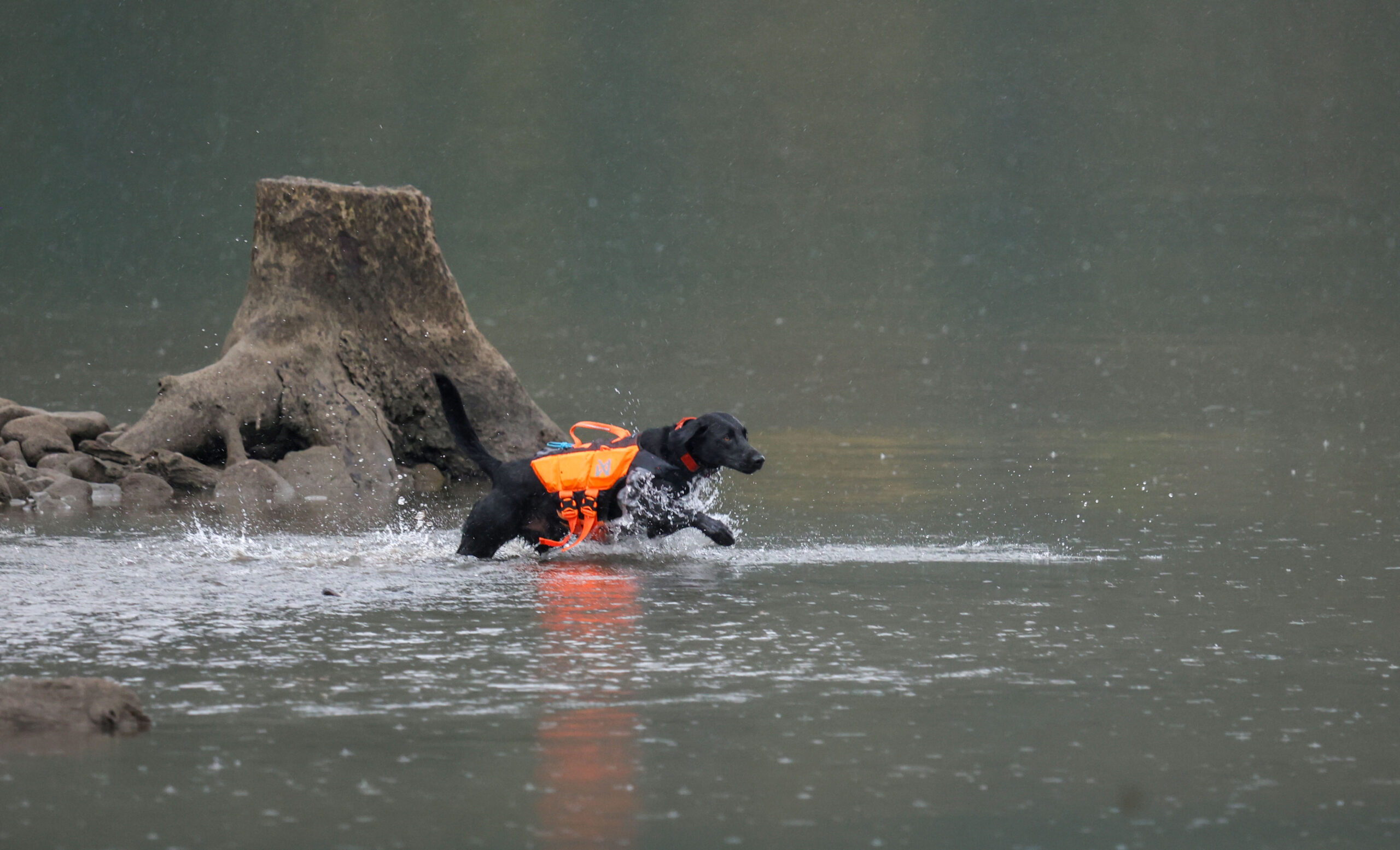
Human Remains Detection (HRD), also commonly referred to as “Cadaver” K9s are trained to detect the odor of human decomposition on land and in water. These K9’s may work on or off leash, and assist in a wide variety of missing person cases from overdue hikers, to assisting in criminal investigations.
Training and Certification:
SAR dog training can take up to two years for initial certification. Training is ongoing throughout the working lifetime of the K9/handler team to keep them mission-ready.
Training starts early, often with puppies, and builds up from foundational skills to complex scent detection scenarios which mimic actual deployments.
Dogs are trained to work in a wide variety of distracting situations, so strong environmental stability is a must!
Before being considered Mission Ready, our SAR dogs have:
- Quarterly proficiency assessments
- Pass a rigorous National Certification test in their specialty field
- Pass Sociability and Functional Obedience assessments